
-
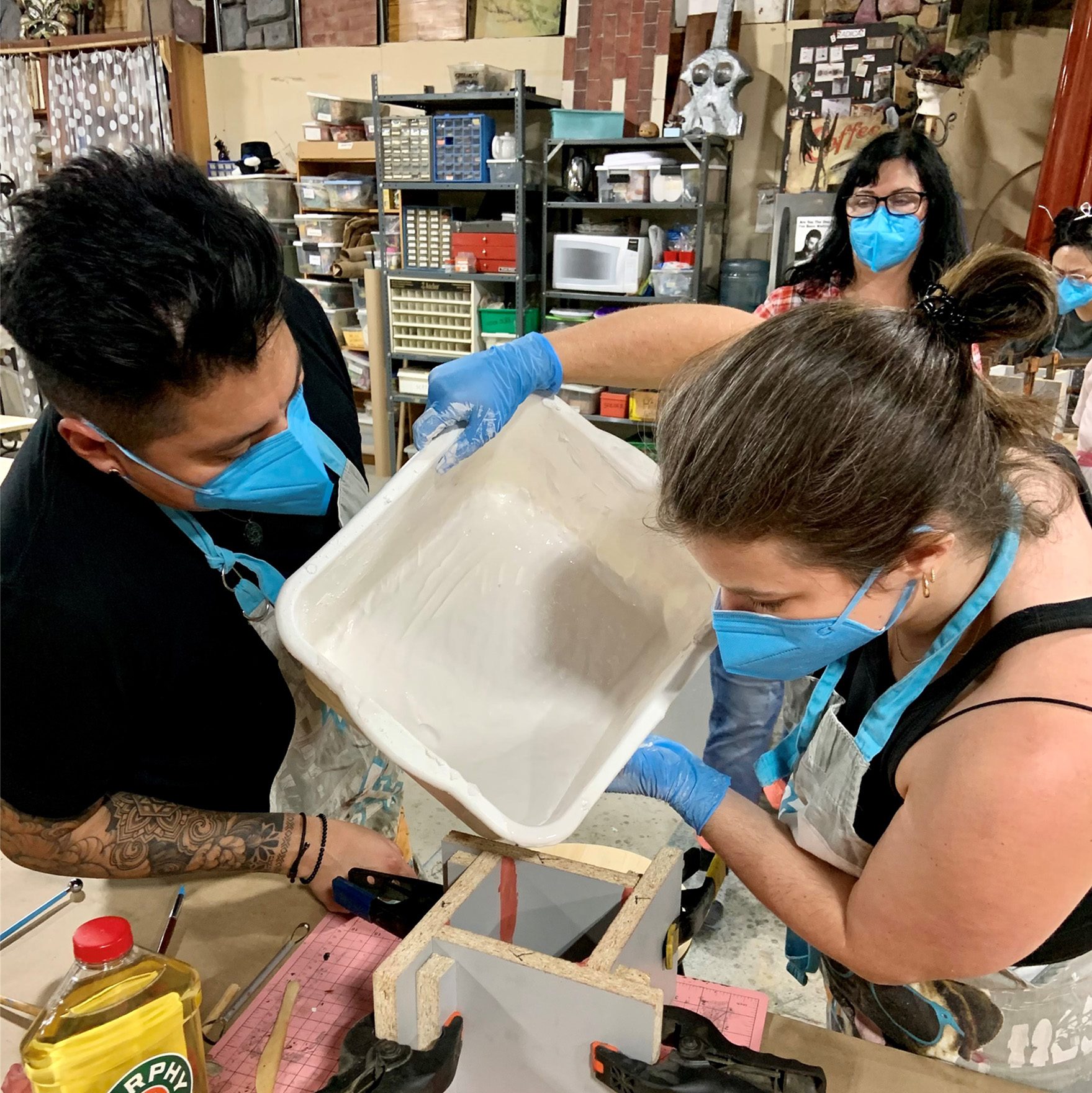
From script analysis to material selection, repurposing to building, learn what it takes to make a ‘proper’ prop in this intensive, one-week workshop. Starting from a script provided, discover how to break down scenes, listing props to be built from scratch, modified from thrift-store finds, or purchased. Gain hands-on experience fabricating and decorating props using a variety of methods and materials.
Practice the following behind-the-scenes skills in this one-week, intensive Prop Making Workshop:
- Paper to Practical – Practice interpreting design sketches, images and written descriptions; then figure out how to render them into real-world items
- So Many Choices – Explore the range of materials, tools and techniques used in fabricating props
- Old, New, Borrowed, Blue – New build or alteration? What to take into account as you make props lists and decide what can be bought, borrowed, altered or built.
- Oops … Fixed! – Learn some basic ‘tricks’ of specialty stage props; Jars that break, books that rip, magic wands that snap in half, only to be reconstructed in time for the next performance.
- RESEARCH! (It’s fun, we promise!) – What do you need? Script analysis, scene breakdowns. Explore the period, location and setting for a play and how that affects what you build
- Sturdy, Yet Stunning – Create a variety of props that have the resilience to last a production run and the appearance to fool any audience member
As you build projects to take home:
- Learn from demonstrations using a variety of materials and techniques;
- Train in the safe and effective use of power tools and equipment;
- Learn to create props in an efficient and cost-effective manner.
This course is intended as an introductory program, geared towards those who wish to become a bit more professional in their building. Whether you are exploring the world of theatre production, preparing for post-secondary education, training yourself for community theatre or expanding your knowledge for cosplay construction, this course will offer tips and tricks and hands-on experience.
Instructors: Emily Dyck
-
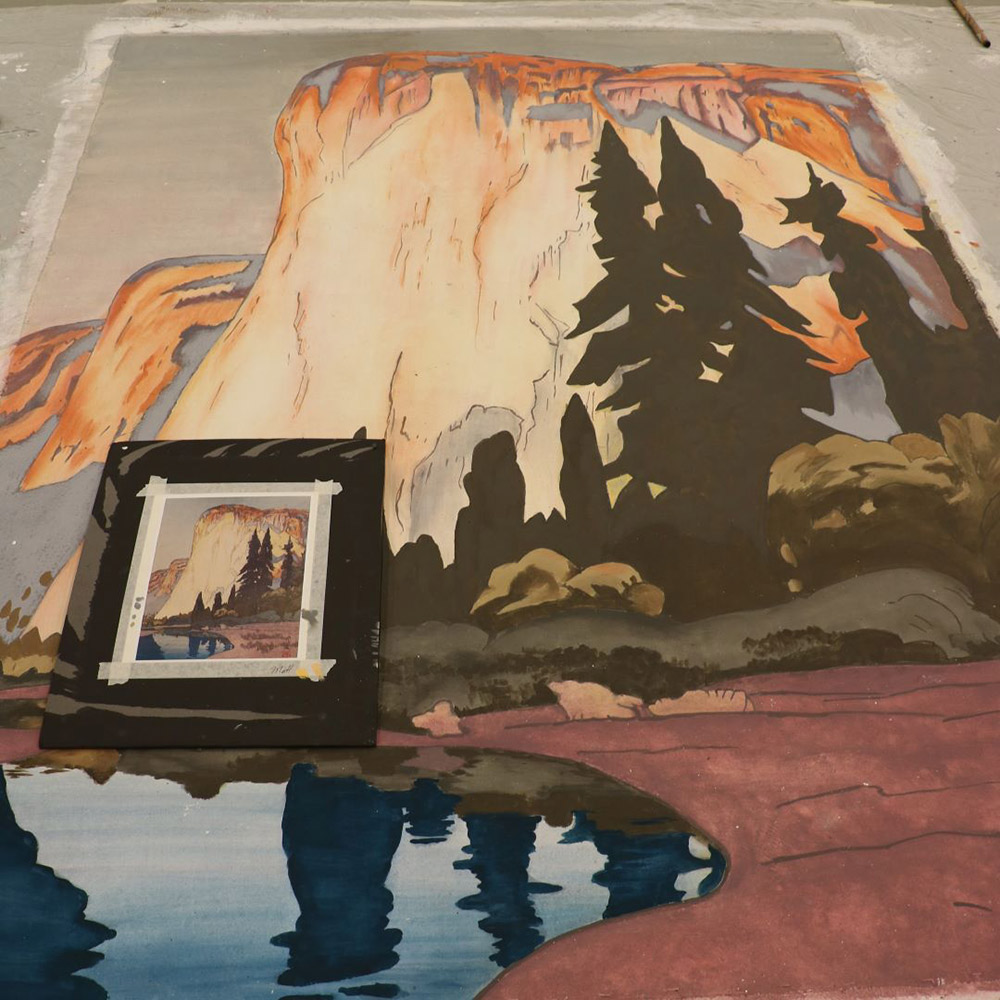
This one-week workshop is designed for artists who have either finished our introductory scenic painting class or painters who would like to use their skills to GO BIG. It is ideal for those seeking careers in theatrical painting.
The methods, shortcuts and secrets used by the professional scenic artist, spanning hundreds of years, are explained, giving you the opportunity to execute and take away your own piece of theatrical art.
Learn and expand on the following skills in this hands-on intensive workshop:
- Start with a designer’s vision and work toward a finished set piece;
- Solve problems typical with materials, tools and paints;
- Build an image in stages on a large scale in the continental style; and
- Build confidence with tools found only in a scene painting shop.
Note: Students will be required to bend, squat, stand for long periods at a time, and sit on the floor. Physical dexterity is required.
Registration fee includes materials.
Classes run Monday to Friday, 9:00 AM to 4:00 PM.
-
Learn and expand on the following skills in this Scenic Painting Workshop:
- Train in the use and safe handling of painting materials and tools;
- Learn about colour theory;
- Gain confidence mixing scenic paints;
- Acquire skills in chemical compatibility;
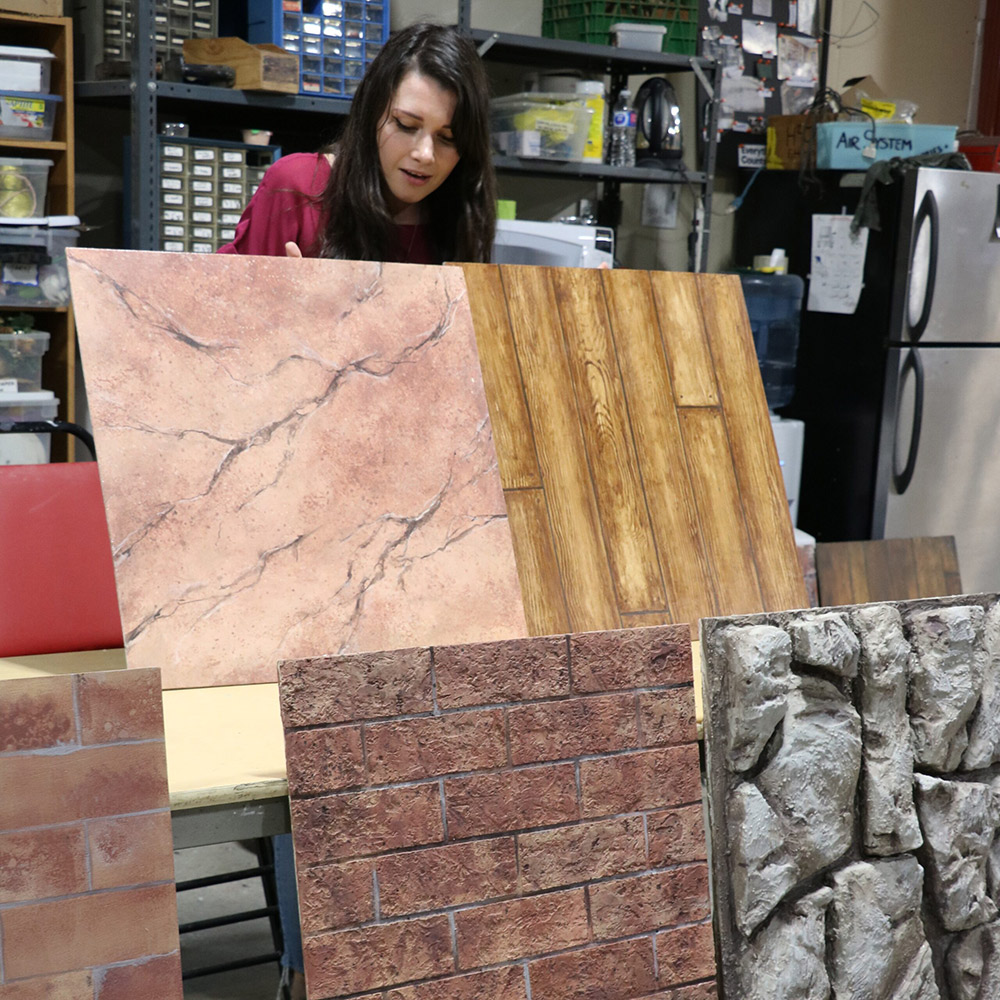
- Experiment with marbling techniques;
- Create brick and concrete facades;
- Develop wood graining skills;
- Create effective aging and break down; and
- Paint using many different methods on different materials.
At the end of this course, you will have examples of all of these facades and techniques that you may take home with you.
KEY INFORMATION
The low student-to-teacher ratio in each of these courses ensures instruction is geared to the participant’s skill level and experience. Please indicate your related experience when you register.
Registration fee includes materials for this Scenic Painting Workshop.
-
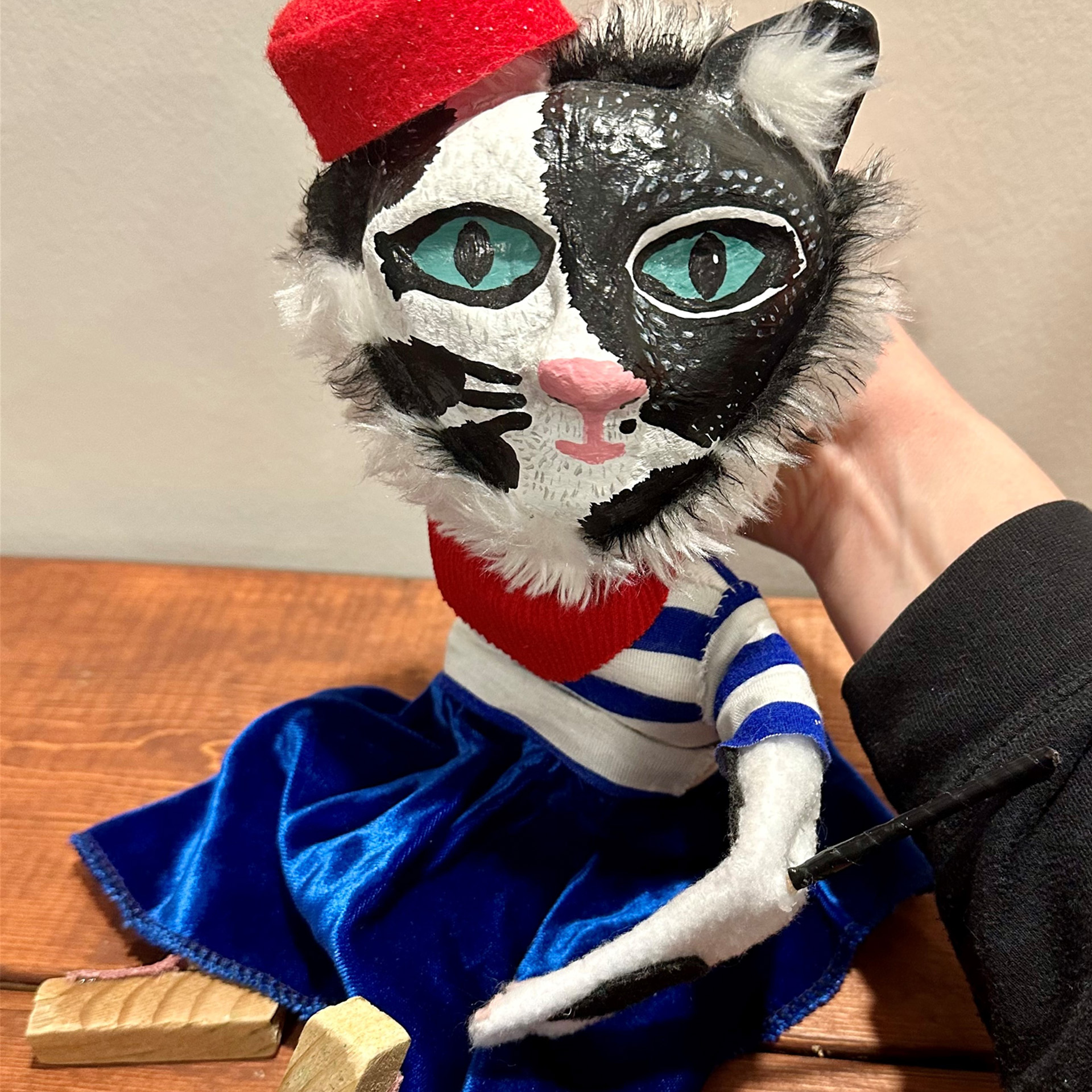
Learn how to design and build an intermediate-level tabletop rod puppet while developing core puppeteering skills. Through hands-on construction and guided movement exercises, participants will explore how focus, gesture, and intention help bring a puppet to life. The group will collaborate to create a short, silent movement piece set to music, bringing together making, movement, and creative collaboration.
In this Puppet Workshop, students will learn the following skills:
- Bringing an original puppet design to life.
- Sculpting a character-driven face in clay and finishing it using professional paper mâché techniques.
- Combining colour, textures of fabrics and accessories to build character.
- Assembling an intermediate tabletop rod puppet with arm rods and articulated legs.
- Designing and building a puppet costume.
- Learning foundational tabletop puppetry movement techniques
KEY INFORMATION
This intensive workshop is suitable for beginners and those with creative experience. The small class size means each participant gets plenty of individual attention, with guidance tailored to their experience and comfort level.
Course fee includes materials.
Instructors: Alexa Fraser
-
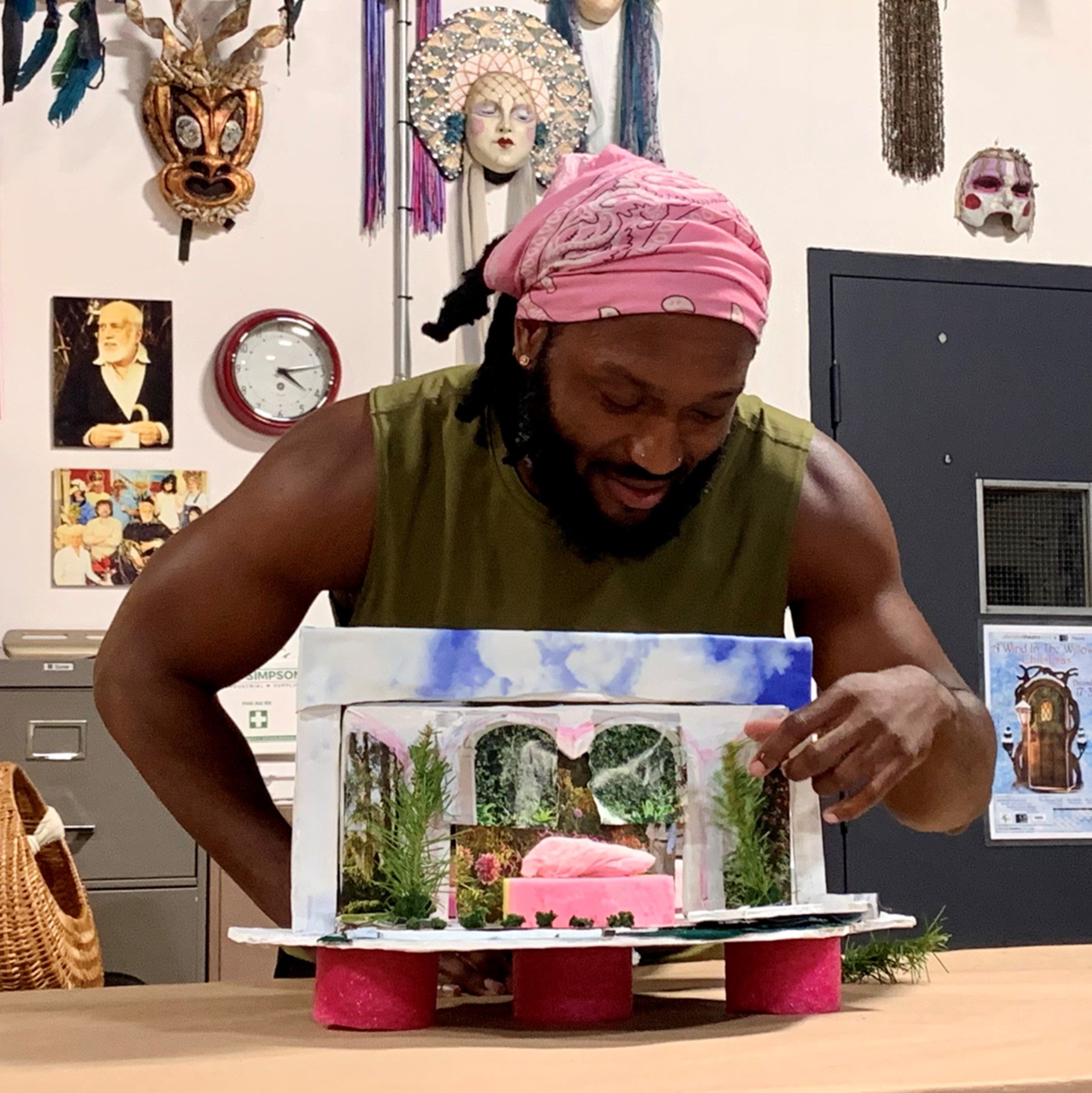
This Set Design workshop is ideal for theatre directors, actors, teachers and community theatre volunteers. Those interested in pursuing a degree or career in design should view this course as preparatory to the commencement of professional study. Note students are asked to become familiar with an assigned script prior to the start of the course.
In the Set Design workshop, participants will:
- Examine text and analyze set requirements;
- Explore concept development;
- Practice basic hand drafting skills, working within ½ inch or ¼ inch scale;
- Discover how to read and create a ground plan;
- Create a design, from a thumb-nail sketch to 3-D model;
- Learn design communication techniques, and discuss constructive collaboration practices; and
- Explore set design presentation techniques.
Registration fee includes materials.
-
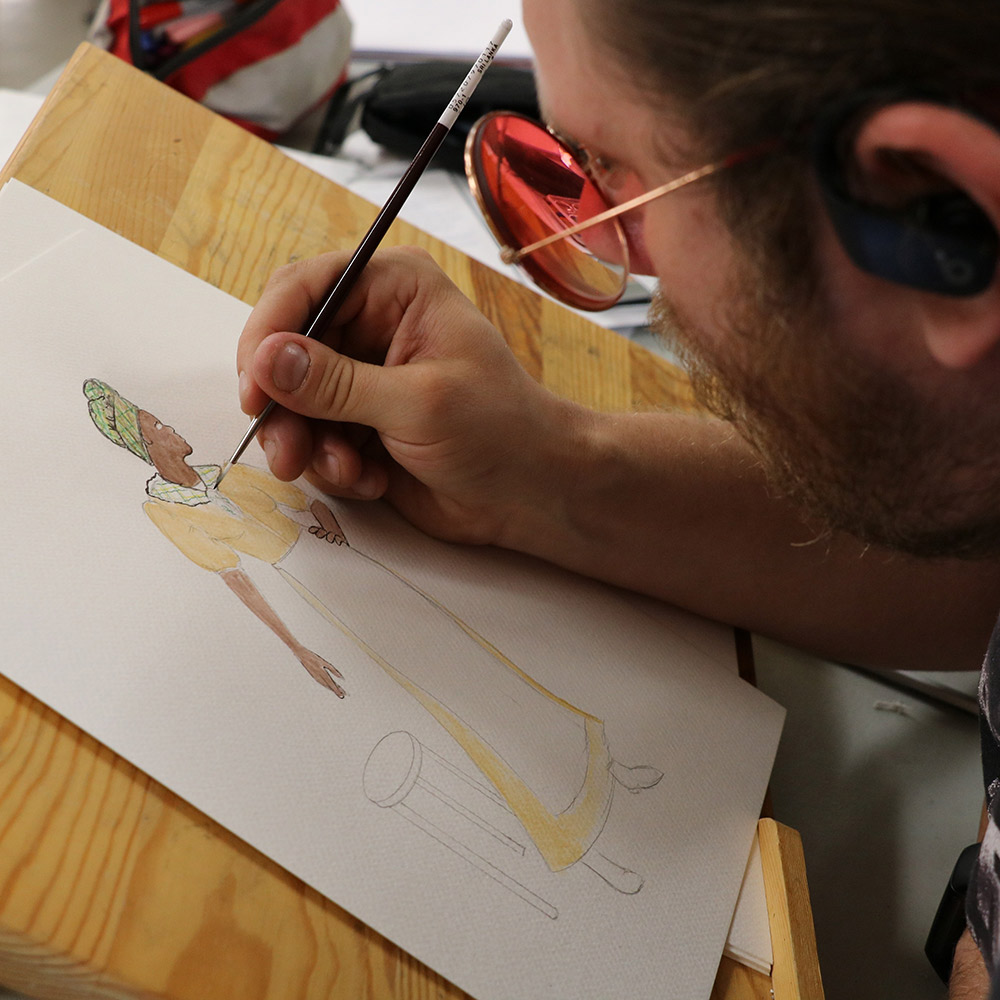
In this Costume Design Workshop, students will learn and expand on the following skills:
- Examine text and character analysis;
- Explore concept development;
- Discuss constructive collaboration practices;
- Discover effective methods for research;
- Develop rendering skills through understanding figure and period silhouettes;
- Practice rendering techniques using pencil and watercolour.
- Learn presentation techniques;
- Create your own designs – from rough sketch to final costume design plate.
Previous drawing experience is an asset. Before the first class, participants are asked to read a play text, which they may purchase or download from an emailed copy and use for the duration of the course.
KEY INFORMATION
The low student-to-teacher ratio in each course ensures instruction is geared to the participant’s skill level and experience. Please indicate your related experience when you register.
Course fee includes materials for the Costume Design Workshop.